Beautiful Plants For Your Interior
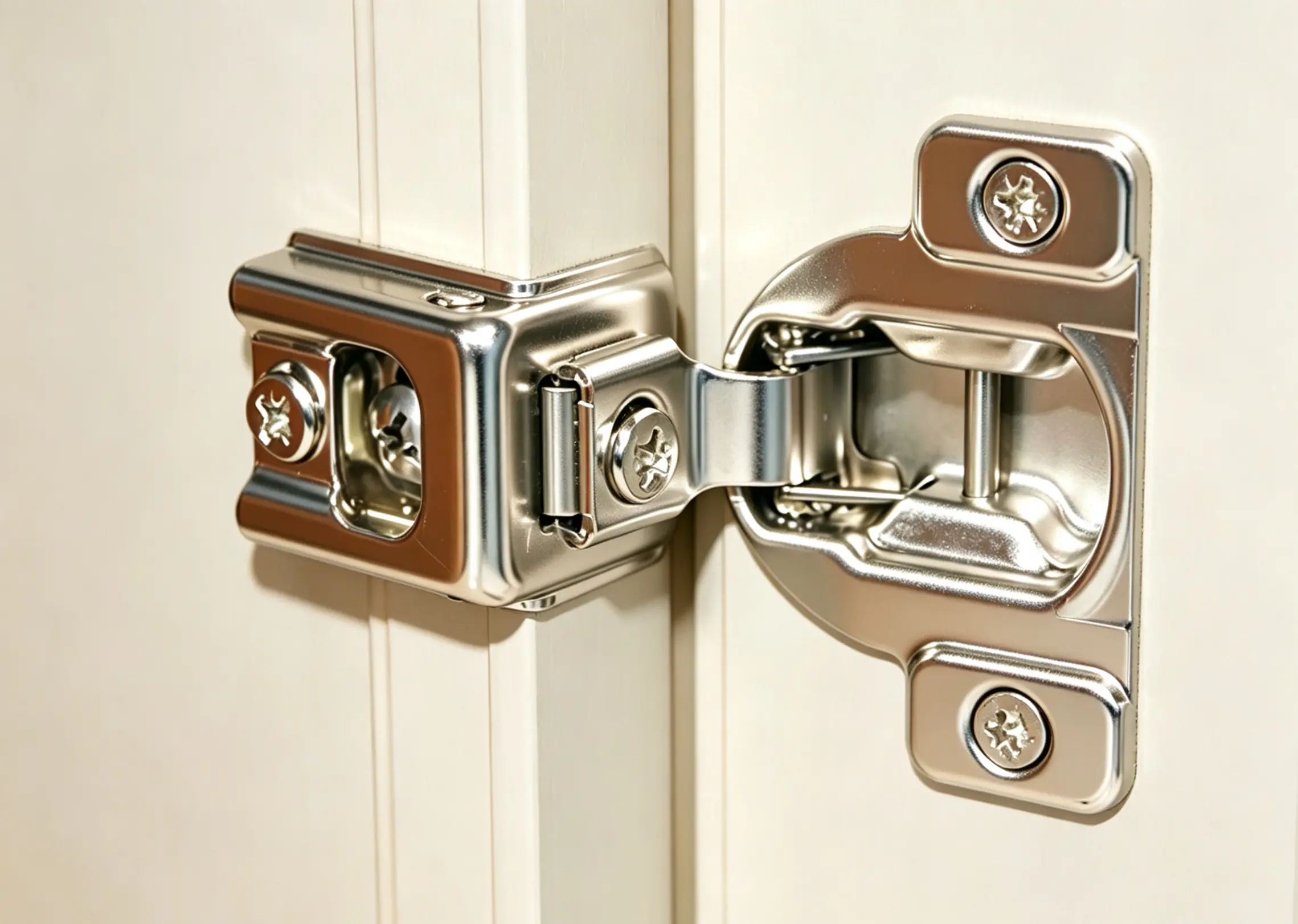
Cabinet hinges may look like small hardware components, but the materials used in their construction have a direct impact on durability, load capacity, corrosion resistance, and long-term performance.
For cabinet manufacturers, furniture makers, and hardware buyers,Choosing the right cabinet hinge materials is important for manufacturers who need reliable performance, corrosion resistance, and long-term durability. The material affects how a hinge performs after thousands of opening and closing cycles, especially in demanding applications such as kitchens, bathrooms, and commercial furniture.
So, what are cabinet hinges made of?
Modern cabinet hinges are commonly manufactured using materials such as cold-rolled steel, stainless steel, zinc alloy, brass, and aluminum. Each material has different advantages depending on the application, production requirements, and expected service life.
This guide explains the most common materials used in cabinet hinges and how manufacturers can select the right option for different projects.
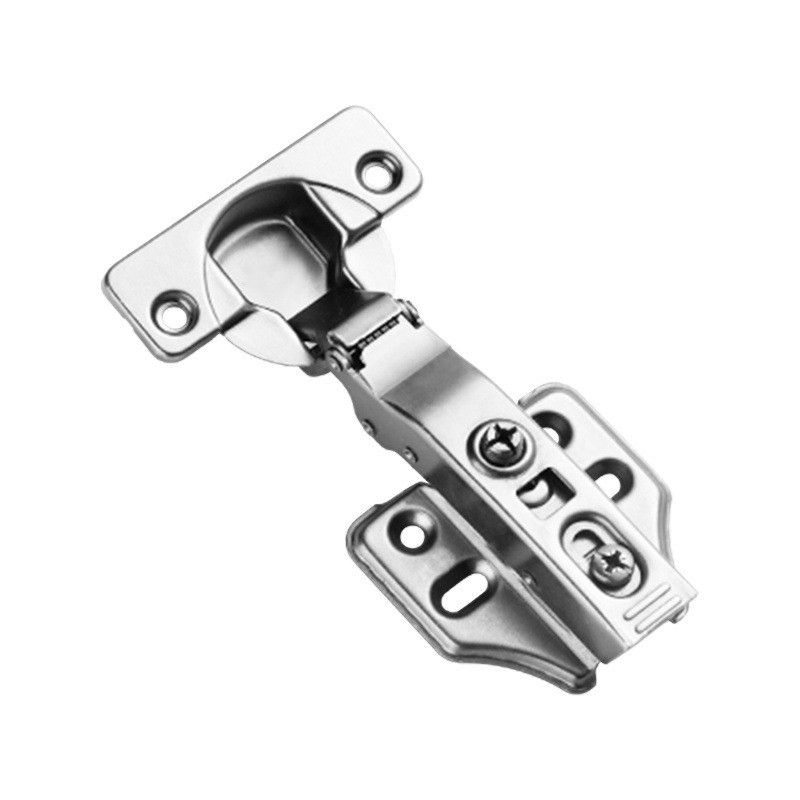
A cabinet hinge is made up of several components, including the hinge cup, hinge arm, mounting plate, spring mechanism, and adjustment parts.
Different components may use different materials depending on their functional requirements.
Common cabinet hinge materials include:
| Material | Main Advantages | Typical Applications |
|---|---|---|
| Cold-rolled steel | Strong, durable, cost-effective | Standard concealed hinges, soft close hinges |
| Stainless steel | Excellent corrosion resistance | Premium kitchens, bathrooms, humid environments |
| Zinc alloy | Good appearance and complex shapes | Cost-focused or decorative hardware |
| Brass | Classic appearance and corrosion resistance | Traditional furniture |
| Aluminum | Lightweight and corrosion resistant | Special lightweight applications |
For modern furniture and cabinet production, cold-rolled steel and stainless steel are two of the most widely used materials because they provide a good balance between strength, reliability, and manufacturing efficiency.
Although a cabinet hinge contains many small parts, some components experience much higher mechanical stress than others.
The hinge arm is one of the most important structural parts because it transfers the load between the cabinet door and the mounting system.
During daily operation, the hinge arm experiences:
The right material helps maintain:
A high-quality material allows the hinge to maintain its shape and function after long-term use.
Kitchen and bathroom cabinets are frequently exposed to moisture. Material selection and surface treatment directly affect resistance against rust and corrosion.
For cabinet manufacturers, consistent material properties help ensure reliable installation and predictable product performance.
Cold-rolled steel is one of the most common materials used in modern cabinet hardware.
It is widely used for concealed hinges, including many soft close cabinet hinges, because it offers an excellent balance between strength, durability, and production efficiency.
Steel provides high strength and good fatigue resistance, making it suitable for cabinet doors that are opened and closed frequently.
Cold-rolled steel can be stamped and formed into precise hinge components, allowing manufacturers to achieve consistent dimensions during mass production.
Compared with stainless steel, cold-rolled steel provides reliable performance at a more competitive price, making it suitable for mainstream residential cabinets, RTA cabinets, and furniture production.
Because steel is not naturally corrosion resistant, surface treatment is important.
Common protective finishes include:
For buyers evaluating cabinet hinge suppliers, material quality and surface treatment should always be considered together.
Stainless steel is selected when corrosion resistance and long-term reliability are priorities.
It is commonly used in:
The chromium content in stainless steel provides natural protection against rust and oxidation, making it suitable for humid environments.
Stainless steel components maintain their performance under demanding conditions where standard steel may require additional protection.
For high-end furniture or projects requiring enhanced durability, stainless steel cabinet hinges can provide additional value.
The main limitation of stainless steel is cost. Compared with cold-rolled steel, it requires higher material and processing costs.
Therefore, stainless steel is usually selected when environmental conditions or product positioning justify the additional investment.
Zinc alloy is another material used in hinge manufacturing, especially where complex shapes and appearance are important.
Through die-casting processes, zinc alloy allows manufacturers to create detailed designs with efficient production.
Compared with steel materials, zinc alloy generally has lower fatigue resistance and less flexibility under repeated stress.
For lightweight cabinet doors or applications where cost is the primary concern, zinc alloy hinges can be a practical option.
However, for heavy doors, high-frequency use, or long-term durability requirements, steel-based hinge designs are often preferred.
Yes. Soft close cabinet hinges can be manufactured using different materials, but the material mainly affects the structural performance of the hinge, while the soft close mechanism controls the closing movement.
A typical concealed soft close hinge includes:
Among these components, the hinge arm and mounting structure play an important role in supporting the cabinet door.
For cabinet manufacturers, a reliable soft close hinge should combine:
This is why material choice remains an important factor when selecting cabinet hardware suppliers.
Selecting proper cabinet hinge materials is one of the core tasks when sourcing hardware for cabinet lines.
There is no single best material for every cabinet application.
The right choice depends on several factors:
Different furniture designs require different levels of durability. Residential cabinets, RTA furniture, and commercial projects may have different performance expectations.
Heavy cabinet doors require stronger hinge structures and materials with better fatigue resistance.
For humid environments such as kitchens and bathrooms, corrosion resistance becomes more important.
A budget cabinet line may prioritize cost efficiency, while premium furniture may require stainless steel or higher-performance solutions.
Selecting the right cabinet hinge materials is an important decision for cabinet manufacturers and furniture makers.
Cold-rolled steel remains one of the most practical choices because it provides a strong balance between performance and cost. Stainless steel offers enhanced corrosion resistance for demanding environments, while zinc alloy can be suitable for specific applications where design flexibility and cost efficiency are priorities.
When choosing cabinet hardware, buyers should look beyond appearance and price. Material selection, structural design, surface treatment, and testing standards all contribute to the long-term reliability of a cabinet hinge.
At FurniCo, we provide reliable cabinet hardware solutions, including soft close cabinet hinges and concealed hinges, with a focus on consistent quality, durability, and performance for global furniture manufacturers.